

Selling a home for top dollar requires far more than sticking a sign in the front yard and listing the property online. In today’s competitive real estate environment, buyers are discerning, informed, and often searching for move-in-ready properties. When buyers detect deferred maintenance, outdated features, or unpleasant sensory triggers during a walkthrough, they quickly discount their offers—or walk away entirely.
To maximize your home equity and ensure a smooth closing, you must view your property through the objective eyes of a buyer. Preparing a house for the market involves a strategic blend of structural inspection, high-return cosmetic updates, deep cleaning, curb appeal enhancement, and professional presentation. Addressing potential buyer objections before your home goes live eliminates negotiation friction, sparks competitive offer scenarios, and speeds up the sale.
This comprehensive, step-by-step checklist guides you through every critical phase of pre-listing preparation. By following this systematic framework, you can transform your home into a high-value, market-ready asset that commands top-of-market pricing.
- Pre-Listing Valuation, Strategy, and Risk Mitigation
- Structural Inspection, Roofing, and Moisture Control
- High-ROI Interior Updates and Layout Reconfiguration
- Deep Cleaning, Sensory Elimination, and Depersonalization
- Elevating Exterior Curb Appeal and Yard Maintenance
- Staging, Professional Photography, and Architectural Positioning
- Strategic Pre-Listing Timeline for Sellers
- Final Launch Preparation
Pre-Listing Valuation, Strategy, and Risk Mitigation

Before picking up a paintbrush or moving furniture, establish a clear financial strategy and risk mitigation plan. Preparing a home for the market involves allocating capital where it yields the highest return while avoiding costly over-improvements that do not pay off at the closing table.
First, determine your home’s true market value using unbiased data. While real estate agents offer comparative market analyses, hiring independent house appraisal services provides an objective, certified valuation based on recent neighborhood sales, structural condition, and square footage. An independent appraisal gives you a solid foundation for pricing your home competitively and avoiding delays during the buyer’s mortgage approval process.
Second, consider conducting a pre-listing home inspection. Paying an independent inspector to evaluate your home’s mechanical, electrical, and plumbing systems allows you to discover hidden defects early. Fixing minor issues before listing prevents buyers from demanding large price concessions or repair credits during contract negotiations.
Third, review your property insurance coverage if you plan to move out before the house sells. Standard homeowner policies often contain occupancy clauses that void or reduce coverage if a property remains vacant for more than 30 consecutive days. If you plan to lease the property temporarily or leave it vacant during the sales process, securing specialized short term rental insurance or vacant home coverage protects your financial equity against unexpected property damage, liability claims, or weather losses.
- Secure an independent valuation: Use certified property appraisers to establish an accurate price floor grounded in empirical market data.
- Order a pre-listing home inspection: Identify hidden electrical, plumbing, or mechanical defects early to avoid escrow surprises.
Structural Inspection, Roofing, and Moisture Control
A home’s physical envelope is the first thing savvy buyers and home inspectors evaluate. Cosmetic updates like fresh paint and stylish furniture cannot compensate for a leaking roof, a damp basement, or structural cracking. Fortifying your home’s core structure reassures buyers that they are making a safe, long-term investment.
Start by evaluating the top of the home. Inspect the roofline, gutters, and flashing for signs of wear, missing shingles, or water pooling. A roof approaching the end of its functional life is one of the most common reasons buyers back out of contracts or demand large price concessions. Hiring a licensed, reputable roofer to perform a thorough inspection, clear debris, seal flashing points, and replace damaged shingles ensures your roof passes inspection with flying colors. Obtaining a formal roof certification letter offers buyers peace of mind and simplifies their home insurance approval.
Next, turn your attention to the lowest level of the home. Basements and crawl spaces are prone to moisture intrusion, efflorescence, and mildew odors that immediately trigger buyer concern. Addressing dampness by investing in professional basement waterproofing—such as installing sump pumps, interior French drains, or wall vapor barriers—guarantees a dry, usable lower level. A dry basement increases usable square footage in the buyer’s eyes and eliminates red flags during environmental inspections.
Finally, inspect the home’s exterior foundation perimeter. Ensure soil grades slope away from foundation walls to prevent rainwater from pooling near the structure. Clear downspouts and extend drainage tubes at least six feet away from the home to maintain long-term foundation stability.
- Obtain a professional roof inspection: Address loose shingles, deteriorated flashing, and gutter leaks to secure a clean inspection report.
- Resolve basement moisture issues: Install proper sump pumps, dehumidifiers, and interior drainage to guarantee a dry lower level.
High-ROI Interior Updates and Layout Reconfiguration
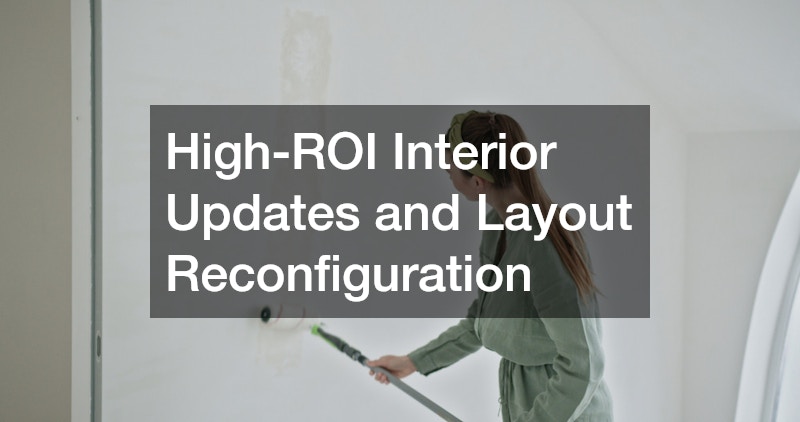
Once structural systems are sound, focus on high-impact interior updates that deliver a strong return on investment. The goal is to modernize key living spaces—particularly kitchens and bathrooms—without over-spending on custom choices that may not match a buyer’s taste.
The kitchen remains the heart of the home and a primary driver of property value. You do not need a complete, multi-thousand-dollar kitchen overhaul to impress buyers; targeted aesthetic upgrades yield remarkable results. Replacing scratched, stained, or outdated laminate surfaces with durable quartz or granite countertops delivers an instant luxury upgrade that elevates the entire room. Pair new stone counters with modern cabinet hardware and a neutral tile backsplash to create a high-end look without the cost of a full remodel.
In addition to surface finishes, evaluate the flow and functionality of your living spaces. Today’s buyers prefer open, bright floor plans that facilitate entertaining and family gathering. If your older home features compartmentalized rooms, small doorways, or non-load-bearing partition walls that block natural light, consider minor architectural adjustments.
Consulting with licensed gutting contractors or general renovation specialists allows you to safely remove non-structural walls, open sightlines between the kitchen and living room, and modernize layout configurations. Opening up cramped floor plans makes spaces feel significantly larger and brighter in online photos.
Finally, apply a fresh coat of interior paint throughout the house. Neutral paint colors—such as warm whites, soft grays, and muted beiges—brighten dark hallways, hide plaster imperfections, and help potential buyers visualize their own furniture in the space.
- Upgrade kitchen surfaces: Install modern quartz or granite stone counters to deliver an instant high-value visual transformation.
- Apply fresh neutral paint: Paint interior walls in warm, light tones to maximize ambient light and create a move-in-ready aesthetic.
Deep Cleaning, Sensory Elimination, and Depersonalization
The sensory experience of walking into a home plays an enormous role in a buyer’s emotional response. A home can feature stunning countertops and pristine hardwood floors, but if it smells like pet odor, dampness, or heavy cooking spices, buyers will form an immediate negative impression.
Eliminating persistent indoor smells requires a deeper approach than simply spraying air fresheners or lighting scented candles. Masking agents only signal to buyers that you are trying to cover up underlying issues.
For stubborn smells caused by pets, tobacco smoke, or old carpets, hire professional odor control services that utilize thermal fogging, ozone treatments, or specialized hydroxyl generators. These commercial treatments neutralize odor molecules at the molecular level, restoring a clean, neutral indoor air quality that welcomes buyers.
Along with air quality, execute a rigorous deep cleaning process. Every square inch of the home should shine. Wash interior and exterior windows until they are crystal clear to maximize natural light. Deep clean carpet fibers, scrub bathroom tile grout, polish stainless steel appliances, and wipe down baseboards, ceiling fans, and door frames. A spotlessly clean home signals to buyers that the property has been meticulously maintained throughout its life.
Finally, depersonalize every room to create a neutral canvas. Remove family photo galleries, personalized wall art, diplomas, and unique collectibles. Buyers need to imagine their own lives and families in the home, which is difficult when surrounded by another family’s personal keepsakes.
- Neutralize indoor air quality: Use specialized environmental odor treatments to eliminate pet, smoke, and moisture smells permanently.
- Execute a top-to-bottom deep clean: Scrub baseboards, grout lines, window tracks, light fixtures, and kitchen appliances until flawless.
Elevating Exterior Curb Appeal and Yard Maintenance

Curb appeal sets the tone for the entire showing. The exterior of your home is the first thing buyers see when they drive up to the property, and it forms the cover image for your online real estate listing. A messy, overgrown, or dark exterior leads buyers to expect poor maintenance indoors.
Start with structural landscaping and tree management. Overgrown tree branches that overhang the roofline drop leaves into gutters, block natural sunlight, and pose a severe hazard during high winds.
Inspect your property for dead, diseased, or hazardous timber, and hire a professional local tree company to prune heavy limbs back from the roof and siding. Trimming back dense foliage improves exterior lighting, showcases architectural details, and prevents roof damage.
When trees are dead, structurally compromised, or growing dangerously close to driveways or foundation walls, complete removal is necessary. Hiring specialists for tree removal eliminates hazardous root systems that crack hardscapes and prevents deal-breaking red flags on buyer home inspection reports.
Once tree care is complete, refresh the immediate garden beds and hardscapes. Power wash the driveway, front porch, and exterior siding to remove dirt, mold, and spiderwebs. Plant colorful seasonal flowers near the entryway, lay down a fresh layer of dark hardwood mulch, paint the front door an inviting color, and install modern exterior lighting fixtures to ensure the home looks striking during evening drive-bys.
- Prune dangerous tree canopies: Hire certified tree specialists to trim branches away from rooflines, gutters, and power lines.
- Remove hazardous or dead trees: Clear dead trees and invasive root systems that threaten foundation walls or driveways.
Staging, Professional Photography, and Architectural Positioning
The final step in preparing your home for the market is staging and digital presentation. In today’s real estate market, the first showing almost always happens online. High-resolution photos, 3D virtual tours, and polished presentation determine whether a buyer books an in-person walkthrough.
Staging involves arranging furniture and decor to highlight room dimensions, establish clear traffic pathways, and showcase functional spaces. Remove oversized or excess furniture that makes rooms feel cramped. In main living areas, arrange seating to highlight key focal points—such as a fireplace, custom built-ins, or large picture windows.
Pay special attention to highlighting your home’s unique architectural details, structural upgrades, and custom features. If your home boasts high-end millwork, custom cabinetry, energy-efficient building envelopes, or premium materials, highlight these selling points in your marketing collateral.
Emphasize structural craftsmanship and material quality similar to the standards set by high-end custom home builders to justify a premium listing price. Providing a detailed upgrades sheet that lists recent mechanical replacements, insulation ratings, and material specs reassures buyers that they are acquiring a high-quality property.
Finally, hire a professional real estate photographer who uses wide-angle lenses, high-dynamic-range (HDR) lighting techniques, and aerial drone footage. Schedule photography during optimal daylight hours to capture your home in its absolute best light, ensuring your online listing stands out from the competition.
- Stage rooms for optimal flow: Remove bulky furniture and arrange remaining pieces to highlight space, architectural focal points, and natural light.
- Highlight premium upgrades: Create a comprehensive feature sheet detailing recent structural, mechanical, and material improvements.
Strategic Pre-Listing Timeline for Sellers
Executing your home prep strategy requires proper timing to ensure you don’t feel rushed before your targeted launch date. Use this structured timeline to keep your preparation on track:
- 8 to 12 Weeks Before Listing: Order independent property valuations and pre-listing structural inspections. Gather contractor bids for major repairs like roof work, basement waterproofing, or tree management.
- 4 to 8 Weeks Before Listing: Complete major structural repairs, roofing fixes, tree clearing, and any non-structural wall removal or layout updates.
- 2 to 4 Weeks Before Listing: Complete interior painting, install new kitchen countertops, fix minor plumbing/electrical issues, and order specialized odor control or deep cleaning services.
- 1 to 2 Weeks Before Listing: Finish yard work, plant fresh flowers, lay new mulch, complete interior depersonalization, and clear out storage areas.
- 1 Week Before Listing: Complete professional staging, execute final touch-up cleaning, and host the professional real estate photographer and virtual tour technician.
Final Launch Preparation
Preparing your home to go on the market is a rigorous but highly rewarding process. By systematically addressing structural integrity, modernizing high-impact spaces, eliminating sensory distractions, enhancing curb appeal, and investing in professional presentation, you take control of your sale.
Remember that buyers pay a premium for convenience, quality, and peace of mind. Every repair, deep clean, and cosmetic upgrade you complete beforehand removes a potential friction point during negotiations. Taking the time to execute this comprehensive checklist ensures your home makes an unforgettable first impression, generates strong buyer competition, and delivers the maximum return on your equity at closing.