
Reliable water systems are essential for everyday household tasks, from cooking and bathing to cleaning and managing wastewater. When plumbing or drainage systems develop problems, even a minor leak or slow drain can disrupt daily routines and lead to costly repairs if left unaddressed.
Regular maintenance helps homeowners recognize early warning signs, protect plumbing fixtures, and identify when professional attention is needed. Simple habits, such as checking visible pipes, removing debris from outdoor drains, and monitoring changes in water quality, can help keep household systems functioning properly.
- Inspect Household Plumbing Before Small Leaks Cause Damage
- Keep Household Drains Clear With Preventive Habits
- Choose the Right Method for Stubborn Drain Blockages
- Investigate Signs of Underground Pipe Damage
- Maintain Outdoor Drainage to Prevent Water Accumulation
- Monitor Your Septic System and Schedule Inspections
- Manage Wastewater to Reduce Septic System Strain
- Choose Water Treatment Based on Your Household’s Needs
- Address Hard Water and Protect Household Appliances
- Plan Specialized Plumbing Work With Safety in Mind
Inspect Household Plumbing Before Small Leaks Cause Damage

Regular plumbing inspections can help homeowners identify minor problems before they affect cabinets, floors, walls, or nearby fixtures. Check visible pipes, faucets, toilets, supply lines, and accessible connections for moisture, corrosion, or dripping water. Pay particular attention to areas beneath sinks, around washing machines, and near water heaters.
Some problems develop out of sight. Unexplained increases in water usage, persistent dampness, water stains, and unusual sounds may indicate a hidden leak. If these signs persist, a local plumbing company can inspect the system and determine whether repairs are necessary.
Build these checks into your regular household routine:
- Inspect exposed pipes: Look for rust, mineral deposits, cracks, and moisture around joints.
- Check toilets and faucets: Watch for continuous running, dripping, or inconsistent water flow.
- Monitor water pressure: Notice sudden changes that affect multiple fixtures.
- Keep maintenance records: Record inspection dates, repairs, and recurring concerns.
If a leak is significant, shut off the water supply when safe to do so and seek professional assistance. Avoid attempting repairs beyond your skills or the equipment you have available.
Keep Household Drains Clear With Preventive Habits
Drains collect everyday waste, including hair, soap residue, grease, food particles, and dirt. Over time, this material can restrict water flow and cause unpleasant odors or recurring blockages. Preventive maintenance reduces unnecessary buildup and helps homeowners recognize problems before wastewater backs up into fixtures.
A drain cleaning service may be appropriate when routine maintenance does not resolve persistent clogs or when several drains develop problems. Repeated blockages deserve particular attention because they may indicate an obstruction deeper within the plumbing system.
Simple habits can help keep drains working properly:
- Use drain screens: Catch hair and food scraps before they enter pipes.
- Dispose of grease correctly: Let cooking grease cool before placing it in suitable waste containers.
- Remove visible debris: Clean accessible drain covers and strainers regularly.
- Avoid unsuitable products: Do not flush wipes, sanitary products, or other materials that can obstruct pipes.
Avoid mixing chemical cleaners, which can create dangerous reactions. If a drain repeatedly slows down despite reasonable maintenance, arrange an assessment rather than relying on repeated temporary fixes.
Choose the Right Method for Stubborn Drain Blockages
Some blockages require more than removing visible debris or using a household plunger. Grease, accumulated sediment, and other deposits can build up inside pipes, restricting flow even when the drain opening appears clear.
Hydro jetting is a professional cleaning method that uses high-pressure water to remove certain deposits and obstructions from suitable pipes. It may be considered when conventional cleaning methods have not resolved a recurring problem. However, the technique is not appropriate for every plumbing system, particularly where pipes are severely damaged or their condition is uncertain.
Before arranging specialized drain cleaning, consider these steps:
- Identify the symptoms: Note which fixtures are affected and how frequently blockages occur.
- Request an assessment: Have the pipe condition evaluated before selecting a high-pressure method.
- Discuss alternatives: Ask whether mechanical cleaning or another approach would be more suitable.
- Address recurring problems: Determine whether structural damage or another underlying issue contributes to the blockage.
Professional guidance helps match the cleaning method to the condition of the pipes. Removing an obstruction may restore flow, but repeated clogs can require further investigation to prevent the same problem from returning.
Investigate Signs of Underground Pipe Damage
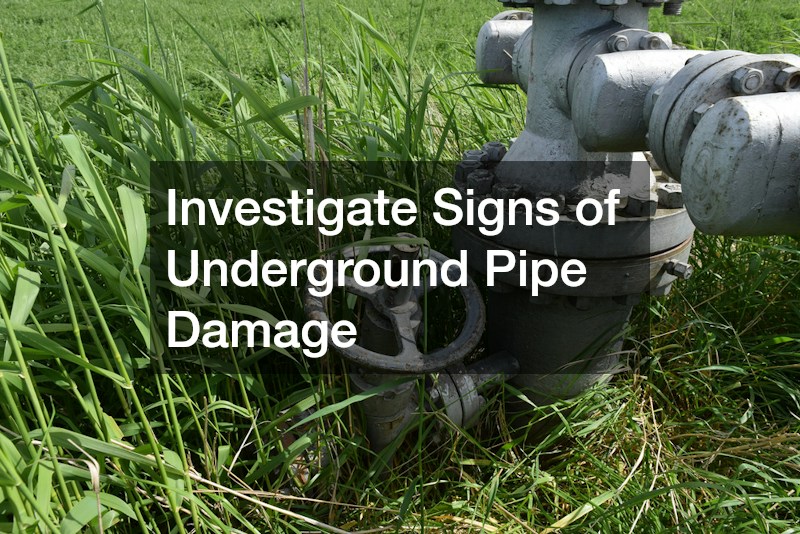
Underground drainage pipes can deteriorate because of age, shifting soil, root intrusion, corrosion, or damaged joints. Since these components are hidden, homeowners may not notice a problem until drainage becomes unreliable or wastewater begins affecting the surrounding property.
Warning signs include repeated blockages, persistent sewer odors, unusually wet patches in the yard, and slow drainage that returns after cleaning. A professional camera inspection can help identify cracks, obstructions, misaligned joints, and other defects inside accessible pipes.
A drain pipe lining service may be an option when existing pipes have certain types of damage and their condition makes lining appropriate. This method generally involves installing a new lining within the existing pipe rather than replacing the entire section through conventional excavation.
Before choosing a repair:
- Ask for inspection findings that explain the damage.
- Compare lining with replacement and other suitable options.
- Confirm whether the affected pipe is compatible with the proposed method.
- Request details about expected performance and maintenance.
Not every damaged pipe can be lined successfully. A qualified assessment helps determine which repair addresses the underlying problem and whether additional work is necessary.
Maintain Outdoor Drainage to Prevent Water Accumulation
Effective outdoor drainage helps direct rainwater away from foundations, walkways, and other areas where standing water can cause problems. Leaves, soil, litter, and other debris may obstruct drainage features, especially during autumn or after heavy rainfall.
Inspect catch basins around the property to check whether their openings are clear and water can enter freely. These structures collect surface runoff and sediment before water moves into connected drainage pipes. If debris accumulates faster than expected, the basin may require more frequent attention.
Include these tasks in your outdoor maintenance routine:
- Clear surface debris: Remove leaves and litter from accessible grates.
- Inspect nearby drains: Check yard drains and downspout outlets for visible obstructions.
- Watch for pooling: Notice whether water remains around the foundation or paved surfaces after rain.
- Check for erosion: Look for washed-out soil or changes in the landscape near drainage routes.
Avoid entering drainage structures or attempting to clear deep underground obstructions yourself. If a basin repeatedly overflows or water remains standing despite removing surface debris, professional inspection can help determine whether the connected pipes need attention.
Monitor Your Septic System and Schedule Inspections
Homes that rely on onsite wastewater treatment need maintenance suited to their tank, drainage field, household usage, and local requirements. Neglecting these responsibilities can contribute to blockages, unpleasant odors, wastewater backups, or damage to system components.
Septic tank services may include inspections, pumping, and assessments of system performance. The appropriate work and schedule depend on the system’s design, condition, tank capacity, household occupancy, and water use. Homeowners should follow recommendations from qualified professionals and applicable local authorities rather than relying on one schedule for every property.
Watch for potential warning signs:
- Drains throughout the house become unusually slow.
- Sewage odors persist indoors or outdoors.
- Wet areas appear near the tank or drainage field.
- Wastewater surfaces in the yard or backs up into fixtures.
Keep records of inspections, pumping, repairs, and other maintenance. Avoid driving over protected septic components or placing heavy equipment on the drainage field.
If sewage backs up into the home or appears on the ground, limit contact with the affected area and seek professional assistance promptly. Early assessment can help identify the cause and reduce potential health and property risks.
Manage Wastewater to Reduce Septic System Strain
Septic systems depend on a functioning tank and drainage field to manage household wastewater. Excessive water use and inappropriate materials entering the system can interfere with its operation. Homeowners can reduce avoidable strain by monitoring water consumption and disposing of waste correctly.
A sewage pumping service may be necessary when inspections indicate that accumulated solids need to be removed. Pumping frequency varies according to tank capacity, household size, water usage, and the amount of solids entering the system. It should be based on the system’s needs rather than an arbitrary schedule.
Adopt these habits to support system performance:
- Repair leaking fixtures: Running toilets and dripping faucets can add unnecessary water.
- Spread out water use: Avoid running several water-intensive appliances simultaneously when practical.
- Dispose of waste properly: Keep grease, wipes, and unsuitable household chemicals out of drains.
- Protect the drainage field: Prevent vehicle traffic and heavy loads over sensitive components.
Remember that pumping does not repair damaged pipes, a failing drainage field, or other structural problems. If warning signs persist after maintenance, arrange a broader inspection to identify the cause and determine which repairs are needed.
Choose Water Treatment Based on Your Household’s Needs
Household water quality varies depending on the water source and local conditions. Municipal supplies and private wells can present different concerns, so homeowners should identify the specific issue before purchasing treatment equipment.
A water filtration system installer can help evaluate suitable equipment, installation requirements, and maintenance needs. However, the appropriate system depends on the contaminants or characteristics being addressed. Testing is especially important when contamination is suspected or when a private well requires routine monitoring.
Use these steps when considering water treatment:
- Identify the concern: Note unusual taste, odor, discoloration, or sediment.
- Arrange appropriate testing: Use qualified laboratories or recommended testing methods when needed.
- Compare equipment: Check which contaminants a system is designed and certified to reduce.
- Plan maintenance: Review filter replacement schedules and any required follow-up testing.
Do not assume that a clear appearance means water is free of contaminants. Similarly, no single filtration system addresses every possible water quality concern.
Review manufacturer specifications carefully and confirm that the proposed equipment matches the test results. Choosing treatment based on evidence helps avoid unnecessary purchases and supports more effective household water management.
Address Hard Water and Protect Household Appliances
Hard water contains dissolved minerals, commonly calcium and magnesium, that can leave deposits on faucets, showerheads, and other water-contact surfaces. Mineral accumulation may also affect certain appliances over time, depending on water conditions and equipment requirements.
Home water softener systems can reduce water hardness through a treatment process suited to the household’s needs. Before installing one, homeowners should determine the actual hardness level and consider whether treatment would provide meaningful benefits.
Helpful maintenance practices include:
- Check for scale: Look for mineral deposits around faucets and showerheads.
- Test water hardness: Use appropriate testing to determine whether softening is warranted.
- Follow system instructions: Maintain the equipment according to the manufacturer’s recommendations.
- Review operating needs: Check required materials, settings, and maintenance intervals.
Water softening and filtration are not interchangeable. A softener primarily addresses hardness, while filtration systems target particular substances according to their design. Some households may need one treatment method, while others may benefit from a combination.
Compare installation costs, ongoing maintenance, and equipment specifications before making a decision. Selecting treatment according to actual water conditions can help homeowners avoid unnecessary equipment and focus on the concerns that matter most.
Plan Specialized Plumbing Work With Safety in Mind

Some household maintenance problems require specialized equipment, technical knowledge, and safety precautions. Before authorizing a service, homeowners should understand what the work involves, why it is necessary, and whether it addresses the actual problem.
Precise water cutting is a specialized technique that uses a controlled water jet for certain cutting applications. It is different from routine drain cleaning and is not a standard method for maintaining household plumbing. If a contractor recommends this technique for a project, ask how it applies to the specific material or task involved.
Use these guidelines when arranging specialized work:
- Request a clear explanation: Understand the problem, proposed method, and expected result.
- Compare written estimates: Review the scope, equipment, labor, and potential additional work.
- Check qualifications: Confirm relevant experience, insurance, and applicable credentials.
- Keep documentation: Retain inspection reports, invoices, warranties, and maintenance instructions.
Do not select an advanced technique simply because it sounds more effective. The appropriate method depends on the job, the materials involved, and the condition of the system.
Reliable household water systems depend on regular inspections, appropriate cleaning, effective outdoor drainage, and responsible wastewater management. Small habits, such as checking exposed pipes, clearing accessible drain covers, and watching for changes in water quality, can help homeowners recognize developing problems before they become more disruptive.
A consistent maintenance routine makes it easier to track system performance, plan inspections, and respond to warning signs. By combining preventive care with informed decisions about repairs and treatment, homeowners can support dependable water delivery, effective drainage, and long-term protection for their property.